
Bench Warrants in Dallas County
Public dockets in Dallas County carry a handful of local labels worth knowing: FTA warrant, felony bench warrant, no-bond felony bench warrant, and contempt failure-to-pay warrant. FTA stands for failure to appear. Each one is a judge's order telling an officer to bring someone back to court because a duty in an existing case was missed or ignored, and the exact wording matters when you call the clerk. The triggers behind these orders vary. A missed date in Circuit or District Court, failure to appear after release on surety, contempt, nonpayment, a broken release term, or disregard of a court order can all lead to a bench warrant. A domestic-relations or child-support matter may also start a contempt process in the proper Circuit Court division. The docket entry and the judge's order control what happens, not a broad label on a public page, so read those first before drawing any conclusion about the case.
Dallas County FTA Terms in Plain Language
The phrase on the record tells you where to ask next. An alias bench warrant is a second warrant issued after someone who was ordered or released to appear simply did not show up, and the official Arkansas arrest-warrant and surety form ties that event to notice for a surety. A contempt or failure-to-pay warrant points to disobedience or nonpayment under a standing court order. Dallas County records use Arkansas court language; the Texas term "capias pro fine" does not belong here and should not stand in for the real docket phrase.
- FTA
- Failure to appear for a required court date.
- Alias bench warrant
- A later warrant following a missed appearance after an earlier release or order.
- Recall
- A court action withdrawing the warrant.
- Quash
- A court action setting the warrant aside.
- No bond
- A docket label requiring an explanation from the issuing court, not a final answer about every possible hearing.
Ask the Dallas County clerk to read the exact current docket phrase and any later entry. A label can outlive the event that changed it when public systems lag behind the court file.
How a Bench Warrant Is Issued
A bench warrant starts inside a case already on the books. The court sets a duty: an appearance, a payment, a release term, or some other condition. When the person does not comply, the judge may issue a bench or alias warrant from the bench. The clerk records that action in the docket. From there the order can reach the Sheriff or another officer for service in Dallas County.
Court duty → missed setting or noncompliance → judicial warrant order → docket entry → agency service or court recall → case resumes.
The Arkansas court-forms index publishes the Trial Court Order for Issuance of Arrest Warrant and Summons/Order for Surety to Appear, the form that ties together failure to appear, an alias bench warrant, bond, and surety notice. Dallas County publishes no standard grace period and no advance-warning rule. Do not assume a missed date stays harmless for a set number of days. The Arkansas city-court page lays out the limited local-court framework that sits behind Dallas County bench warrants.
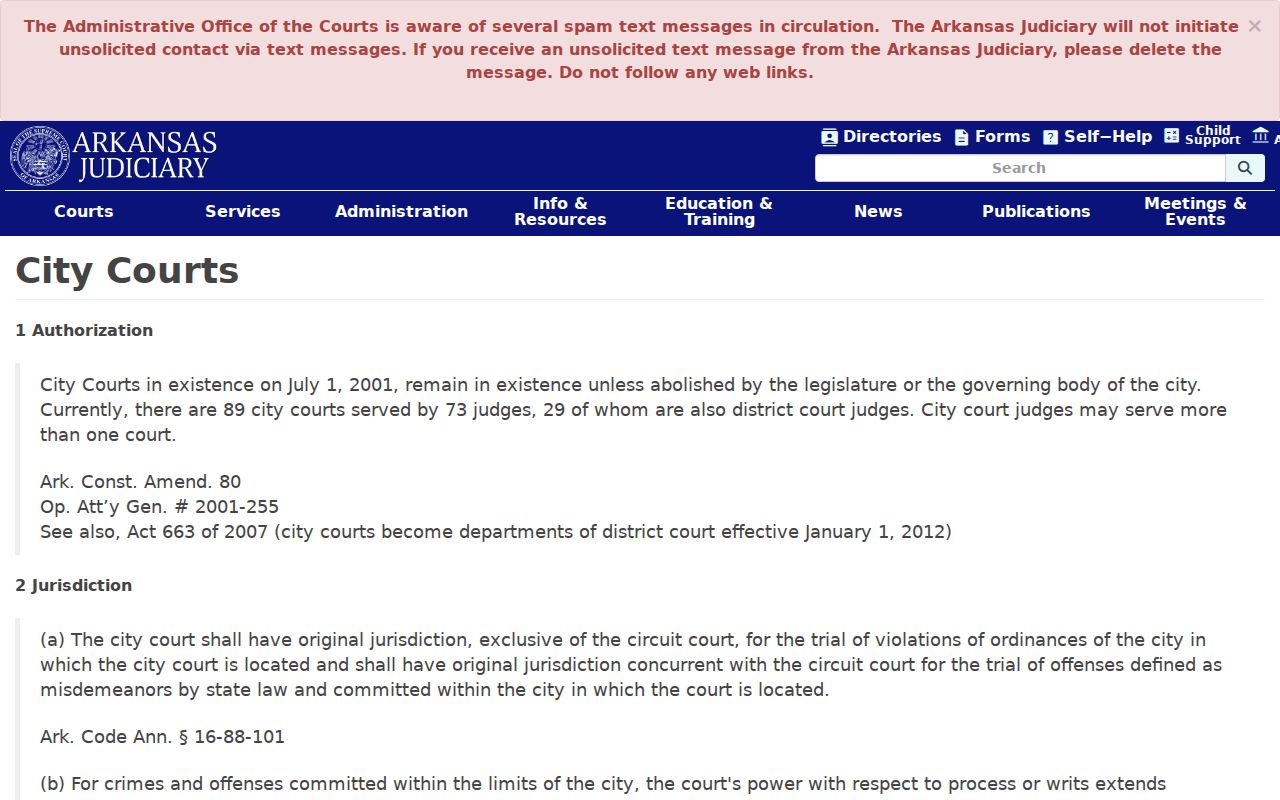
It is a jurisdiction source, not a Dallas County bench-warrant database.
Circuit Bench Warrant or District FTA
The case type tells you which clerk to call. The Thirteenth Judicial Circuit handles felony criminal cases and circuit-level bench or alias events. Dallas County District Court, part of the 34th Judicial District, takes traffic, misdemeanors, local ordinances, and preliminary felony matters. A surviving city court may hear certain ordinance and misdemeanor cases, but no Dallas County city court posts a warrant portal.
| Case clue | Likely record holder | Public contact |
|---|---|---|
| Felony criminal setting or circuit alias event | Dallas County Circuit Clerk | (870) 352-2307 |
| Traffic, misdemeanor, ordinance, or lower-court FTA | Dallas County District Court Clerk | (870) 352-2332 |
| City citation with unclear venue | City clerk, then District Court Clerk | Confirm from the citation |
| Service, custody, bond, or surrender | Dallas County Sheriff/Jail | (870) 352-2002 |
Arkansas appellate courts review decisions from lower courts. They are not the routine Dallas County bench-warrant counter. The state District Court page documents the lower-court jurisdiction behind Dallas County FTA warrants.
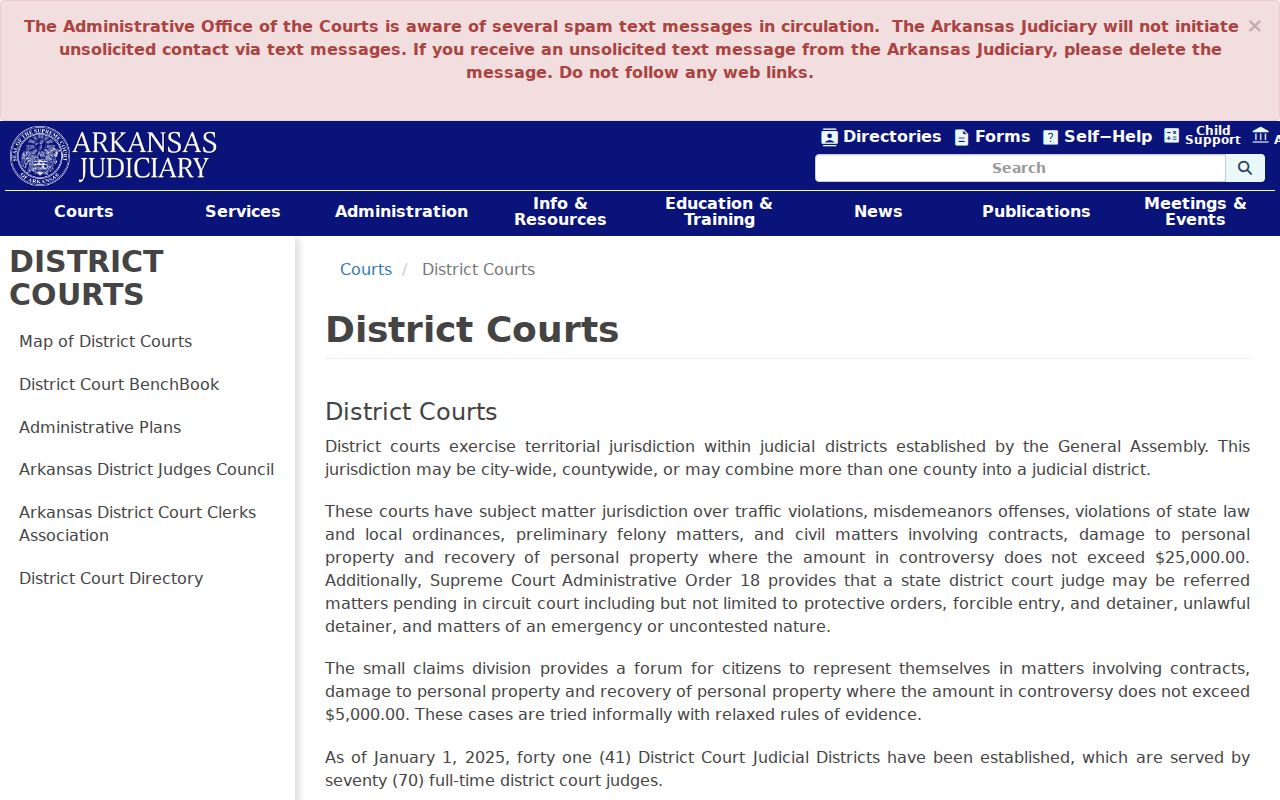
Its scope routes traffic, misdemeanor, and ordinance matters to the correct clerk.
Bench Warrant vs Arrest Warrant
Both orders can put a person in custody, but they start from different places. A bench warrant enforces a duty in a case that already exists. An arrest warrant starts from sworn information plus a judicial finding of reasonable grounds that an offense occurred. Under Arkansas Code § 16-81-104, a circuit judge, district judge, or magistrate may issue an arrest warrant through that probable-cause process, which is separate from the bench-warrant path a Dallas County judge uses.
| Feature | Bench Warrant | Arrest Warrant |
|---|---|---|
| Trigger | Missed date, contempt, nonpayment, or breached order | Sworn facts supporting probable cause |
| Case setting | Usually an existing court obligation | May begin or advance a criminal case |
| Issuing authority | Judge in the underlying matter | Circuit judge, district judge, or magistrate |
| Resolution focus | Return to the issuing court and cure the missed duty | Surrender, release decision, and continued criminal process |
In Dallas County, being served either order settles nothing about the case itself. A summons sits at the other end of the scale: it orders an appearance but carries no arrest command.
No-Bond Dallas County Warrant Labels
A 2025 official Sheriff update labeled one Dallas County order a "No Bond Felony Bench Warrant." The label is a clue, not a full answer. Ask the issuing court why it was used. Ask whether a hearing is required, and whether the judge can set release terms later. Leave the private person's details out of any retelling.
Key point: “No bond” should never be translated into a promise that no release review is possible. The judge and current docket control.
The Sheriff's FAQ lists four general release categories: own recognizance, a private bonding company, a property bond, and cash bond. It also says the exact bond varies by offense. For the real number, the FAQ sends callers to the Jail at (870) 352-2002. Dallas County publishes no bond schedule, bench-warrant fee, or online bond-payment page.
How to Resolve a Dallas County Bench Warrant
Dallas County posts no walk-in docket, no amnesty day, no recall form, and no fixed fee. There is no guaranteed surrender schedule either. Contact first. A lawyer can advise on the case and may ask the court whether a motion, a hearing, or an arranged appearance is on the table.
- Check Search ARCourts and confirm the exact bench-warrant event and issuing court with its clerk.
- Ask whether the judge requires a reset, motion to recall or quash, payment, bond, surrender, or personal appearance.
- Call the Sheriff/Jail at (870) 352-2002 before going to 106 South Charlotte Street. Ask about surrender hours, identification, bond type, and first appearance.
- Complete the court-directed step and obtain the next setting, order, receipt, or bond paper.
- Request a current docket entry and confirm that the Sheriff's service record received the recall or other change.
Caution: Do not ignore a bench warrant or assume payment alone recalled it; confirm the court order and agency update.
Posting bond ends the immediate custody problem, not the Dallas County case. Skip the next setting and a new bench or alias warrant can issue, with the surety on the hook.
Dallas County Docket Status Sequence
Search ARCourts can list several warrant events on one Dallas County case, and each label means something different. “Issued” records the court's action. “Pickup” can reflect an agency step. “Recalled” means the court withdrew it. “Served,” by contrast, tells you an officer executed the warrant, and a later disposition may address the case itself. Reading one event without its date and successors invites the wrong conclusion.
| Issued | The judge authorized the warrant and the clerk recorded it. |
|---|---|
| Pickup | The docket may reflect transfer or availability for service. |
| Served | An authorized officer executed the warrant; the case still continues. |
| Bond event | Release assurance was addressed, but the charge or obligation remains. |
| Recalled or quashed | The court withdrew or set aside the warrant. |
| Disposition | A later event resolving part or all of the underlying case. |
Note: Search ARCourts is not legal notice, so a Dallas County clerk should confirm any status before you plan an appearance or surrender.
Which Dallas County Court Issued It
In Dallas County the issuing court controls recall, resets, payment orders, and hearing requirements. The Sheriff serves the warrant. It also handles custody and bond direction, but no sheriff replaces the judge. Felony or circuit case? Use the Circuit Clerk directory. It lists Dori Keeton at Third and Oak Street, Fordyce, phone (870) 352-2307. Traffic, misdemeanor, ordinance, and lower-court FTA matters go to the District Court Clerk directory. That lists Ericka Davis at PO Box 672, Fordyce, phone (870) 352-2332. Ticket unclear on the department? Ask the city clerk, then District Court. Hand a criminal warrant request to the County Clerk only when that office confirms it holds the record. The official Circuit Clerk directory also shows the Dallas County bench-warrant contact for circuit files.
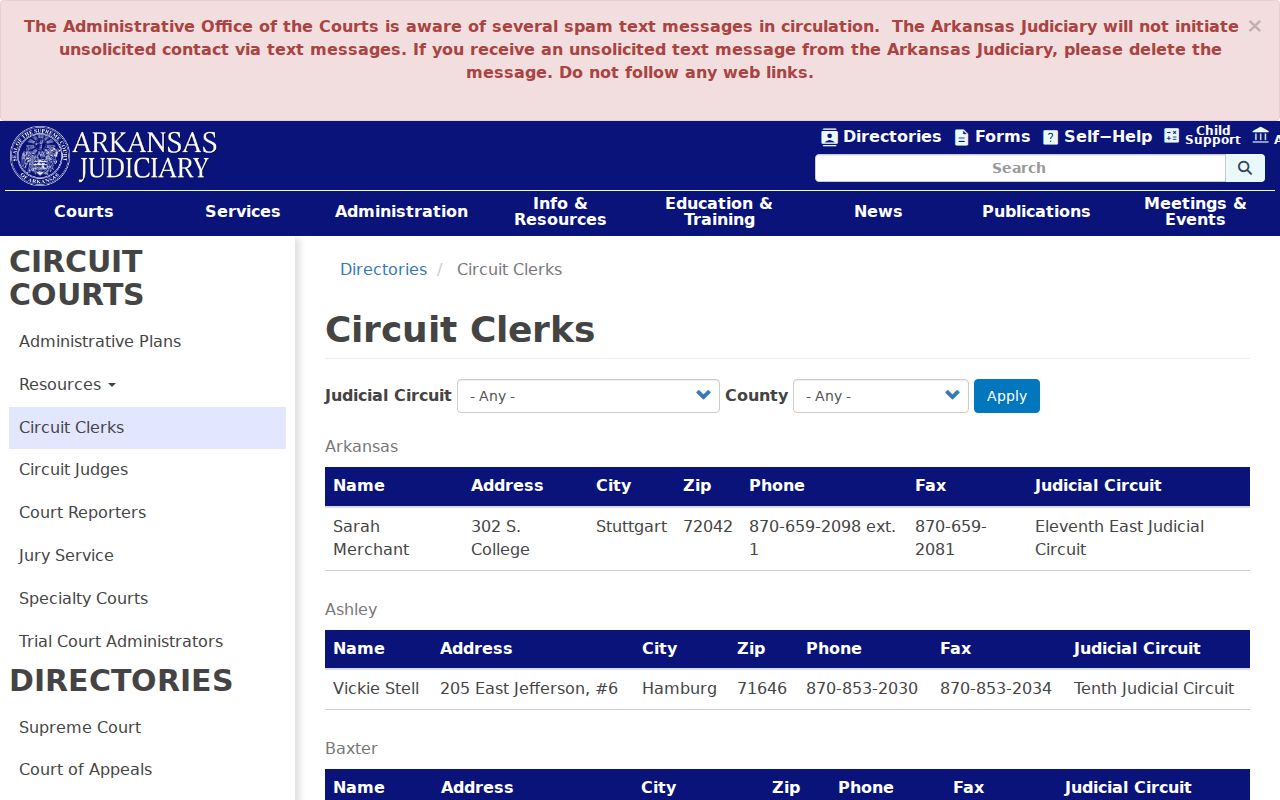
This office detail supports the circuit-level routing above. A Dallas County warrant search can trace the right court from case or citation data. Direct court confirmation is still the decisive step.
After Dallas County Recall or Bond
A Dallas County warrant and its underlying case move on two tracks. Know the difference. A recall or quash order changes only the warrant. Bond addresses release and your promise to appear. Payment may satisfy a fine or court obligation. None of these steps dismisses the charge or closes the case unless the docket says so. Keep the signed order, receipt, bond paperwork, and next court date. Ask the clerk when the warrant change was entered. Ask whether notice went to the Sheriff. Then call the Sheriff through its official contact page to confirm service records were updated. Dallas County posts no public update window, so written proof matters while records synchronize. The Sheriff's December 2025 anti-scam warning is blunt. The office will not call and demand money to clear an outstanding warrant, so end any such call and contact the issuing court or Sheriff yourself.